

Patient Overview
-
Patient Name: Confidential
-
Age/Gender: 23-year-old Female
-
Focus Area: Moderate to Severe Depression Associated with Breast Cancer Diagnosis
-
Duration of Care: 6 Months
-
Session Type: Regular Psychological Follow-Up
Therapy
Overcoming Depression & Reclaiming Life After a Breast Cancer Diagnosis
At our center, our mental health professionals play a huge role in supporting individuals and families through a breast cancer diagnosis. We offer specialized psychological care, tailored therapy programs, and compassionate support to help patients navigate emotional challenges, manage depression and rebuild their quality of life.
Each treatment plan is thoughtfully designed around the client’s unique experiences, goals, and emotional needs. By combining clinical expertise with a human-centered approach, therapy becomes a safe space for healing and transformation.
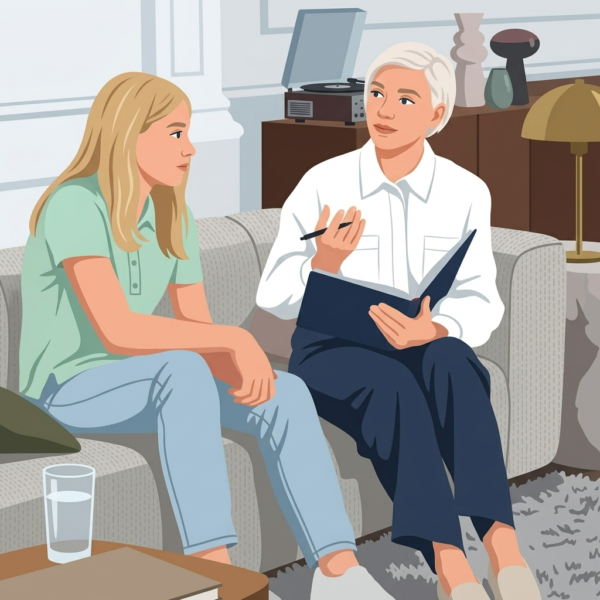

01. Mental Challenge
The patient sought care following a breast cancer diagnosis, which caused a significant psychological impact. She developed moderate to severe depressive symptoms that affected various aspects of her daily life.
She began isolating herself, withdrawing from social interactions, and eventually stopped attending university, leaving her studies and experiencing a clear decline in her academic performance. Her daily routine was heavily disrupted, with notable disturbances in sleep patterns and appetite, as well as a loss of interest in previously enjoyed activities.
Thoughts and feelings surrounding her illness became predominant, overwhelming her emotional, social, and academic life.
02. Care Approach
A regular psychological follow-up plan was implemented throughout the treatment period, focusing on evaluating the severity of depressive symptoms, assessing functional impact, and exploring the relationship between her psychological state and her physical health journey.
The therapeutic intervention focused on:
Psychological Support & Containment
Providing continuous emotional support and a safe space during her illness.
Cognitive Restructuring
Addressing negative thoughts and feelings regarding her health condition and future.
Psychoeducation
Educating the patient on depression and common psychological responses to physical illness.
Cognitive Behavioral Therapy (CBT)
Applying tailored CBT techniques suitable for her specific case.
Reducing Isolation
Working step-by-step to minimize social withdrawal.
Behavioral Activation
Gradually encouraging her to resume daily routines and social activities.
03. The Outcomes
With ongoing treatment and follow-up, the patient demonstrated significant emotional and functional improvement.
- Noticeable reduction in depressive symptoms and improved coping mechanisms regarding her health condition.
- Better sleep quality, restored appetite, and increased daily activity levels.
- Decreased social isolation and reduced withdrawal compared to the start of treatment.
- Greater psychological stability and enhanced overall quality of life after 6 months of care.